
23 Animals With the Most Unusual Defense Mechanisms
Survival in the wild often depends on the ability to avoid predators, and some animals have evolved defenses that are as strange as they are effective. From chemical attacks to clever disguises, these creatures rely on tactics that seem almost unbelievable. Their unique strategies highlight the creativity of evolution in protecting life.
Chemical and Toxic Defenses
- Bombardier beetles spray a boiling chemical mixture from their bodies, creating a hot, defensive burst.
- Poison dart frogs secrete potent toxins through their skin, making them dangerous to touch.
- Skunks release a foul-smelling spray that can deter predators from a considerable distance.
- Hagfish produce large amounts of slime that can clog the gills of attacking fish.
- Velvet ants deliver an extremely painful sting, earning them the nickname “cow killers.”
- Cone snails use venomous harpoons to inject toxins into threats or prey.
Masters of Disguise and Illusion
- Leaf-tailed geckos blend perfectly with their surroundings, resembling dead leaves.
- Stick insects mimic twigs so convincingly that predators often overlook them completely.
- Cuttlefish can change both color and texture to match their environment instantly.
- Owl butterflies display large eye-like patterns on their wings to startle predators.
- Dead leaf mantises imitate dried foliage, remaining nearly invisible in plain sight.
- Flounders can alter their coloration to blend seamlessly with the ocean floor.
Physical and Behavioral Defenses
- Armadillos roll into a tight ball, protecting their soft undersides with hard armor.
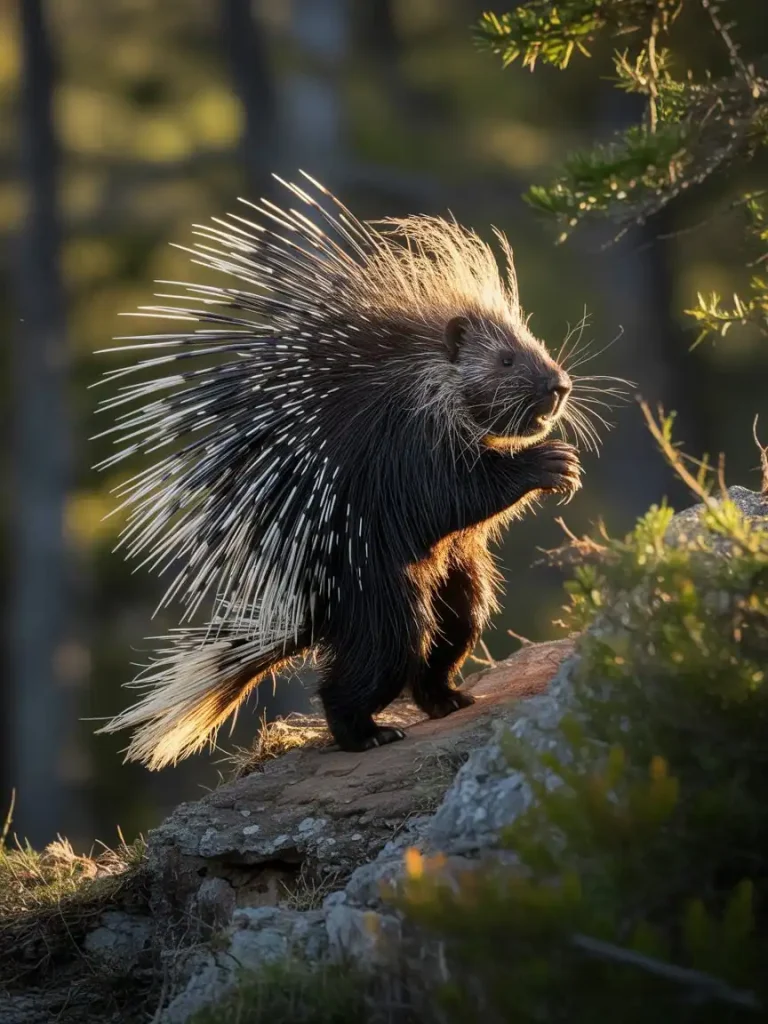
- Porcupines raise sharp quills that can easily injure predators attempting to attack.
- Horned lizards can squirt blood from their eyes to confuse and deter threats.
- Pangolins curl into armored balls covered in tough scales.
- Opossums play dead, convincing predators they are no longer a viable target.
- Sea cucumbers expel their internal organs, which can later regenerate.
Strange and Unexpected Strategies
- Electric eels generate powerful electric shocks to defend themselves and stun predators.
- Hairy frogs break their own bones to create claw-like structures for defense.
- Texas horned lizards inflate their bodies to appear larger and harder to swallow.
- Peacock mantis shrimp use rapid strikes that can break shells and deter attackers.
- Ink-spewing octopuses release dark clouds to confuse predators and escape quickly.
Conclusion
These unusual defense mechanisms reveal the astonishing ways animals have adapted to survive in a dangerous world. Whether through deception, chemical warfare, or physical resilience, each strategy showcases the ingenuity of nature. Studying these creatures not only fascinates us but also deepens our understanding of evolution and survival.
23 Animals With the Most Unusual Defense Mechanisms
Survival in the wild often depends on the ability to avoid predators, and some animals have evolved defenses that are as strange as they are effective. From chemical attacks to clever disguises, these creatures rely on tactics that seem almost unbelievable. Their unique strategies highlight the creativity of evolution in protecting life.
Chemical and Toxic Defenses
- Bombardier beetles spray a boiling chemical mixture from their bodies, creating a hot, defensive burst.
- Poison dart frogs secrete potent toxins through their skin, making them dangerous to touch.
- Skunks release a foul-smelling spray that can deter predators from a considerable distance.
- Hagfish produce large amounts of slime that can clog the gills of attacking fish.
- Velvet ants deliver an extremely painful sting, earning them the nickname “cow killers.”
- Cone snails use venomous harpoons to inject toxins into threats or prey.
Masters of Disguise and Illusion
- Leaf-tailed geckos blend perfectly with their surroundings, resembling dead leaves.
- Stick insects mimic twigs so convincingly that predators often overlook them completely.
- Cuttlefish can change both color and texture to match their environment instantly.
- Owl butterflies display large eye-like patterns on their wings to startle predators.
- Dead leaf mantises imitate dried foliage, remaining nearly invisible in plain sight.
- Flounders can alter their coloration to blend seamlessly with the ocean floor.
Physical and Behavioral Defenses
- Armadillos roll into a tight ball, protecting their soft undersides with hard armor.
- Porcupines raise sharp quills that can easily injure predators attempting to attack.
- Horned lizards can squirt blood from their eyes to confuse and deter threats.
- Pangolins curl into armored balls covered in tough scales.
- Opossums play dead, convincing predators they are no longer a viable target.
- Sea cucumbers expel their internal organs, which can later regenerate.
Strange and Unexpected Strategies
- Electric eels generate powerful electric shocks to defend themselves and stun predators.
- Hairy frogs break their own bones to create claw-like structures for defense.
- Texas horned lizards inflate their bodies to appear larger and harder to swallow.
- Peacock mantis shrimp use rapid strikes that can break shells and deter attackers.
- Ink-spewing octopuses release dark clouds to confuse predators and escape quickly.
Conclusion
These unusual defense mechanisms reveal the astonishing ways animals have adapted to survive in a dangerous world. Whether through deception, chemical warfare, or physical resilience, each strategy showcases the ingenuity of nature. Studying these creatures not only fascinates us but also deepens our understanding of evolution and survival.
23 Animals With the Most Unusual Defense Mechanisms
Survival in the wild often depends on the ability to avoid predators, and some animals have evolved defenses that are as strange as they are effective. From chemical attacks to clever disguises, these creatures rely on tactics that seem almost unbelievable. Their unique strategies highlight the creativity of evolution in protecting life.
Chemical and Toxic Defenses
- Bombardier beetles spray a boiling chemical mixture from their bodies, creating a hot, defensive burst.
- Poison dart frogs secrete potent toxins through their skin, making them dangerous to touch.
- Skunks release a foul-smelling spray that can deter predators from a considerable distance.
- Hagfish produce large amounts of slime that can clog the gills of attacking fish.
- Velvet ants deliver an extremely painful sting, earning them the nickname “cow killers.”
- Cone snails use venomous harpoons to inject toxins into threats or prey.
Masters of Disguise and Illusion
- Leaf-tailed geckos blend perfectly with their surroundings, resembling dead leaves.
- Stick insects mimic twigs so convincingly that predators often overlook them completely.
- Cuttlefish can change both color and texture to match their environment instantly.
- Owl butterflies display large eye-like patterns on their wings to startle predators.
- Dead leaf mantises imitate dried foliage, remaining nearly invisible in plain sight.
- Flounders can alter their coloration to blend seamlessly with the ocean floor.
Physical and Behavioral Defenses
- Armadillos roll into a tight ball, protecting their soft undersides with hard armor.
- Porcupines raise sharp quills that can easily injure predators attempting to attack.
- Horned lizards can squirt blood from their eyes to confuse and deter threats.
- Pangolins curl into armored balls covered in tough scales.
- Opossums play dead, convincing predators they are no longer a viable target.
- Sea cucumbers expel their internal organs, which can later regenerate.
Strange and Unexpected Strategies
- Electric eels generate powerful electric shocks to defend themselves and stun predators.
- Hairy frogs break their own bones to create claw-like structures for defense.
- Texas horned lizards inflate their bodies to appear larger and harder to swallow.
- Peacock mantis shrimp use rapid strikes that can break shells and deter attackers.
- Ink-spewing octopuses release dark clouds to confuse predators and escape quickly.
Conclusion
These unusual defense mechanisms reveal the astonishing ways animals have adapted to survive in a dangerous world. Whether through deception, chemical warfare, or physical resilience, each strategy showcases the ingenuity of nature. Studying these creatures not only fascinates us but also deepens our understanding of evolution and survival.
23 Animals With the Most Unusual Defense Mechanisms
Survival in the wild often depends on the ability to avoid predators, and some animals have evolved defenses that are as strange as they are effective. From chemical attacks to clever disguises, these creatures rely on tactics that seem almost unbelievable. Their unique strategies highlight the creativity of evolution in protecting life.
Chemical and Toxic Defenses
- Bombardier beetles spray a boiling chemical mixture from their bodies, creating a hot, defensive burst.
- Poison dart frogs secrete potent toxins through their skin, making them dangerous to touch.
- Skunks release a foul-smelling spray that can deter predators from a considerable distance.
- Hagfish produce large amounts of slime that can clog the gills of attacking fish.
- Velvet ants deliver an extremely painful sting, earning them the nickname “cow killers.”
- Cone snails use venomous harpoons to inject toxins into threats or prey.
Masters of Disguise and Illusion
- Leaf-tailed geckos blend perfectly with their surroundings, resembling dead leaves.
- Stick insects mimic twigs so convincingly that predators often overlook them completely.
- Cuttlefish can change both color and texture to match their environment instantly.
- Owl butterflies display large eye-like patterns on their wings to startle predators.
- Dead leaf mantises imitate dried foliage, remaining nearly invisible in plain sight.
- Flounders can alter their coloration to blend seamlessly with the ocean floor.
Physical and Behavioral Defenses
- Armadillos roll into a tight ball, protecting their soft undersides with hard armor.
- Porcupines raise sharp quills that can easily injure predators attempting to attack.
- Horned lizards can squirt blood from their eyes to confuse and deter threats.
- Pangolins curl into armored balls covered in tough scales.
- Opossums play dead, convincing predators they are no longer a viable target.
- Sea cucumbers expel their internal organs, which can later regenerate.
Strange and Unexpected Strategies
- Electric eels generate powerful electric shocks to defend themselves and stun predators.
- Hairy frogs break their own bones to create claw-like structures for defense.
- Texas horned lizards inflate their bodies to appear larger and harder to swallow.
- Peacock mantis shrimp use rapid strikes that can break shells and deter attackers.
- Ink-spewing octopuses release dark clouds to confuse predators and escape quickly.
Conclusion
These unusual defense mechanisms reveal the astonishing ways animals have adapted to survive in a dangerous world. Whether through deception, chemical warfare, or physical resilience, each strategy showcases the ingenuity of nature. Studying these creatures not only fascinates us but also deepens our understanding of evolution and survival.
Animal intelligence is far more complex than it may seem at first glance. Across the natural world, many species display problem-solving skills, emotional awareness, and even forms of communication that rival human abilities. Here are 19 surprising facts about animal intelligence that may completely change how you see them.
Problem-Solving Geniuses
- Octopuses can open jars, solve puzzles, and escape from enclosed spaces with remarkable skill.
- Crows use tools, such as sticks, to extract insects from hard-to-reach places.
- Chimpanzees can plan ahead and use objects strategically to obtain food.
- Dolphins can understand complex instructions and solve problems cooperatively.
Memory and Learning
- Elephants can remember locations of water sources for many years.
- Rats can learn complex mazes and remember solutions long after training.
- Dogs can understand hundreds of human words and respond to commands.
- Squirrels remember thousands of hidden food locations across seasons.
Social Intelligence
- Wolves coordinate hunts using teamwork and communication strategies.
- Parrots can mimic human speech and understand context in some cases.
- Orcas pass down hunting techniques through generations like cultural traditions.
- Ants work together in highly organized colonies with specialized roles.
Emotional Awareness
- Pigs can show empathy and respond to the emotions of other pigs.
- Horses can read human facial expressions and react accordingly.
- Dogs can sense human emotions and often comfort their owners.
Advanced Cognitive Skills
- Ravens can recognize themselves in mirrors, a sign of self-awareness.
- Bees can solve simple problems and even understand basic concepts like zero.
- Sea lions can follow logical patterns and perform reasoning tasks.
- Some fish can use tools, such as rocks, to break open shells.
Conclusion
The intelligence found across the animal kingdom is both surprising and inspiring. These abilities reveal that many animals are capable of thinking, learning, and feeling in ways we are only beginning to understand. Recognizing this intelligence helps deepen our appreciation for the incredible diversity of life on Earth.