
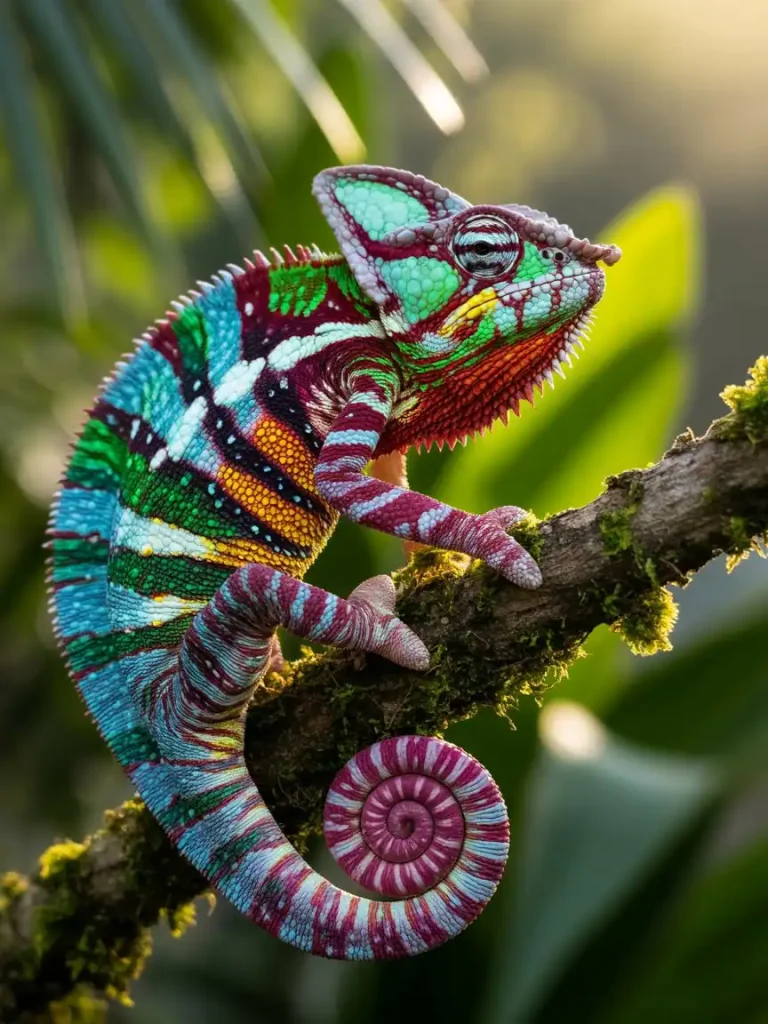
Color change in the animal kingdom is more than just camouflage. For many species, it plays a role in communication, temperature control, and even survival in extreme environments. Some of these transformations are so rapid or unusual that they continue to surprise scientists and observers alike.
Masters of Rapid Transformation
- Chameleons can shift colors quickly using specialized cells to communicate mood, regulate temperature, and blend into surroundings.
- Cuttlefish change both color and skin texture in seconds, creating complex patterns to confuse predators or signal others.
- Octopuses can instantly match their environment by controlling pigment cells and skin reflectivity.
- Squid use flashing color patterns to communicate with each other and distract predators.
- Anole lizards switch between green and brown depending on stress, temperature, and environment.
Subtle and Seasonal Shifters
- Arctic foxes change from brown in summer to white in winter for effective camouflage in snow.
- Snowshoe hares undergo seasonal color changes that help them blend into snowy or forested landscapes.
- Ptarmigans shift feather color with the seasons, becoming white in winter and brown in warmer months.
- Weasels, such as ermines, develop white coats in winter to remain hidden in snowy environments.
- Golden tortoise beetles can alter their color from metallic gold to reddish depending on stress or conditions.
Creatures With Unique Color Mechanisms
- Flounders adjust their coloration to match the ocean floor, often mimicking patterns and textures.
- Glass frogs have translucent skin that can make them nearly invisible against leaves.
- Peacock flounders can rapidly display bright blue spots to startle predators.
- Mantis shrimp display vibrant colors that can shift in intensity depending on lighting and behavior.
- Panther chameleons exhibit especially vivid color changes influenced by mood and social interaction.
Unexpected and Specialized Adaptations
- Seahorses can gradually change color to blend with coral or seagrass habitats.
- Crab spiders shift between white and yellow to match the flowers they inhabit while hunting prey.
- Pacific tree frogs adjust their shade from green to brown for camouflage in different environments.
- Some reef fish change color during mating displays to attract partners.
- African cichlids alter their coloration based on dominance and social hierarchy.
- Fire-bellied toads reveal bright warning colors on their undersides when threatened.
Conclusion
These animals demonstrate that color change is a powerful and versatile survival tool. Whether used for camouflage, communication, or defense, their transformations highlight the complexity of life in nature. As research continues, these fascinating abilities may reveal even deeper insights into how organisms interact with their environments.