
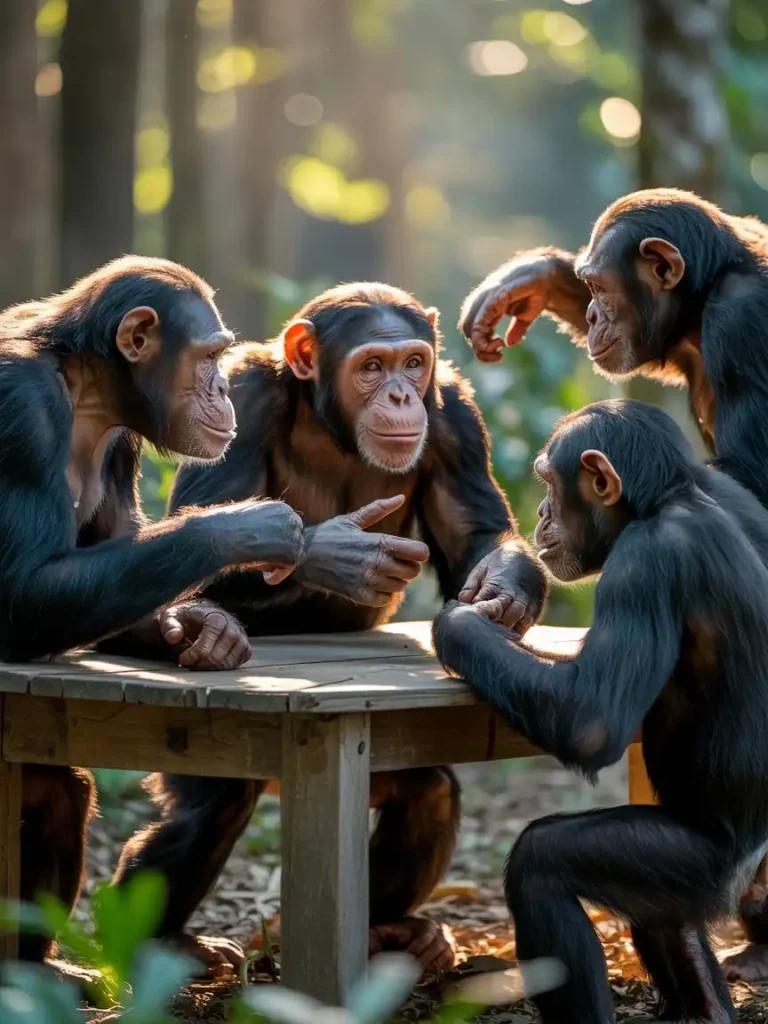
19 Facts About Animal Intelligence That Will Shock You
Animal intelligence is far more complex than it may seem at first glance. Across the natural world, many species display problem-solving skills, emotional awareness, and even forms of communication that rival human abilities. Here are 19 surprising facts about animal intelligence that may completely change how you see them.
Problem-Solving Geniuses
- Octopuses can open jars, solve puzzles, and escape from enclosed spaces with remarkable skill.
- Crows use tools, such as sticks, to extract insects from hard-to-reach places.
- Chimpanzees can plan ahead and use objects strategically to obtain food.
- Dolphins can understand complex instructions and solve problems cooperatively.
Memory and Learning
- Elephants can remember locations of water sources for many years.
- Rats can learn complex mazes and remember solutions long after training.
- Dogs can understand hundreds of human words and respond to commands.
- Squirrels remember thousands of hidden food locations across seasons.
Social Intelligence
- Wolves coordinate hunts using teamwork and communication strategies.
- Parrots can mimic human speech and understand context in some cases.
- Orcas pass down hunting techniques through generations like cultural traditions.
- Ants work together in highly organized colonies with specialized roles.
Emotional Awareness
- Pigs can show empathy and respond to the emotions of other pigs.
- Horses can read human facial expressions and react accordingly.
- Dogs can sense human emotions and often comfort their owners.
Advanced Cognitive Skills
- Ravens can recognize themselves in mirrors, a sign of self-awareness.
- Bees can solve simple problems and even understand basic concepts like zero.
- Sea lions can follow logical patterns and perform reasoning tasks.
- Some fish can use tools, such as rocks, to break open shells.
Conclusion
The intelligence found across the animal kingdom is both surprising and inspiring. These abilities reveal that many animals are capable of thinking, learning, and feeling in ways we are only beginning to understand. Recognizing this intelligence helps deepen our appreciation for the incredible diversity of life on Earth.
Water is essential for most living beings, yet some animals have evolved remarkable ways to survive with little to no direct access to it. From arid deserts to dry grasslands, these creatures rely on unique biological adaptations to conserve moisture and extract water from unexpected sources. Their resilience offers a fascinating glimpse into survival under extreme conditions.
Desert Specialists and Water Conservers
- Kangaroo rats can live their entire lives without drinking water, obtaining all necessary moisture from seeds.
- Camels store fat in their humps, which can be converted into water and energy when resources are scarce.
- Fennec foxes survive harsh desert climates by conserving water and staying active during cooler nighttime hours.
- Thorny devils absorb water through specialized skin channels that direct moisture to their mouths.
- Sand gazelles can endure extreme heat and dehydration by lowering their metabolic rate.
- Desert tortoises store water in their bladders and can reabsorb it when needed.
- Jerboas produce highly concentrated urine to minimize water loss in dry environments.
Insects and Small Creatures With Efficient Systems
- Namib desert beetles collect fog on their bodies and channel droplets directly into their mouths.
- Darkling beetles have waxy exoskeletons that reduce water evaporation in arid conditions.
- Honey ants store liquid food inside their bodies, acting as living reservoirs for the colony.
- Silverfish absorb moisture from their surroundings, allowing them to survive without direct water intake.
- Cockroaches can live for extended periods with minimal water due to their slow metabolism.
Reptiles and Amphibians With Unique Adaptations
- Gila monsters store fat reserves and rely on metabolic water during long dry spells.
- Horned lizards can collect water through capillary action across their skin.
- Spadefoot toads remain buried underground for months or years, emerging only when rain arrives.
- African bullfrogs survive drought by encasing themselves in a protective cocoon to retain moisture.
Birds and Larger Animals That Endure Dry Conditions
- Ostriches can tolerate dehydration and regulate body temperature to reduce water loss.
- Roadrunners obtain water from their prey and can survive in desert habitats without drinking.
- Addax antelopes rarely drink water, extracting moisture from desert plants instead.
- Koalas get most of their hydration from eucalyptus leaves, rarely needing to drink water directly.
Conclusion
These animals demonstrate that life can persist even in the driest environments on Earth. Through clever adaptations and efficient use of resources, they have mastered survival without regular access to water. Their strategies continue to inspire scientists studying resilience and adaptation in extreme ecosystems.