
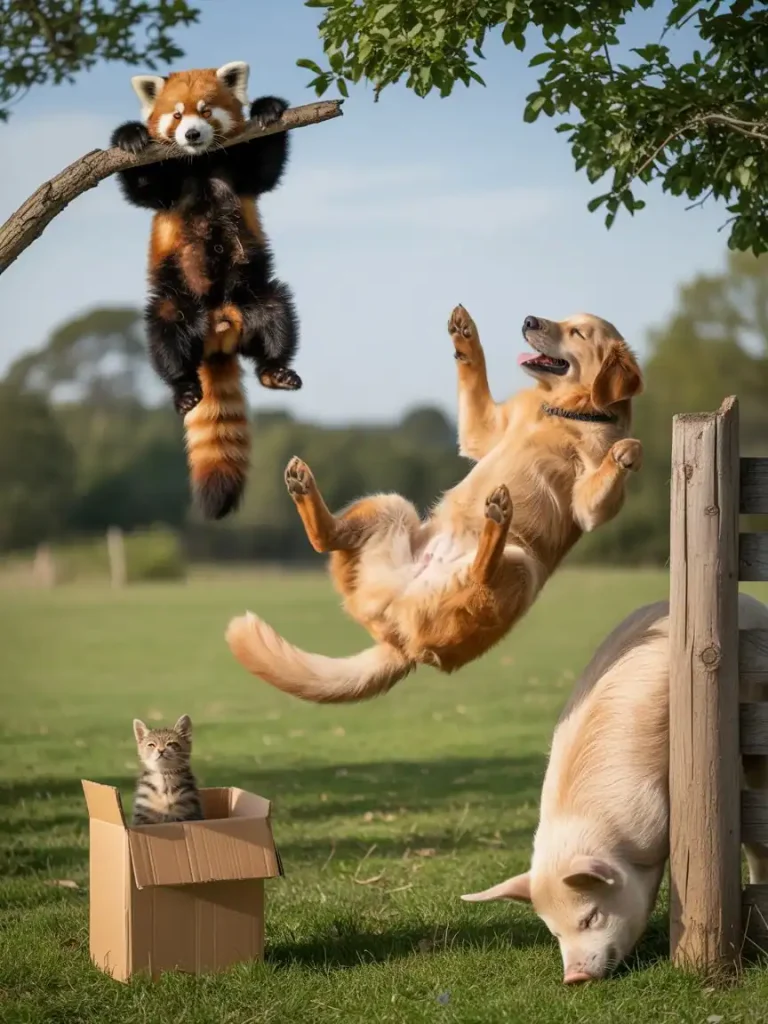
Sleep is essential for most living creatures, but not all animals rest in the same way humans do. Across the animal kingdom, sleep can involve unusual positions, partial brain activity, or behaviors that seem almost impossible. These unique habits reveal how different species have adapted rest to fit their environments and survival needs.
Animals With Unusual Sleep Patterns
- Dolphins sleep with one half of their brain at a time, allowing them to stay alert and surface for air.
- Birds can sleep while flying by shutting down parts of their brain during long migrations.
- Giraffes sleep for only a few hours a day, often in short bursts to stay vigilant against predators.
- Horses can sleep standing up thanks to a special locking mechanism in their legs.
- Elephants require very little sleep and may rest while standing or lying down briefly.
Creatures With Strange Sleeping Positions
- Bats hang upside down while sleeping, using their claws to grip securely without effort.
- Otters hold hands while floating on water to avoid drifting apart as they sleep.
- Sloths sleep while hanging from tree branches, blending into their surroundings.
- Flamingos often sleep standing on one leg, possibly to conserve body heat.
- Cats curl tightly into a ball, protecting vital organs and conserving warmth.
Extreme and Adaptive Sleep Behaviors
- Walruses can sleep both in water and on land, sometimes floating upright in the ocean.
- Penguins take short naps and may rest while standing in groups to conserve warmth.
- Alpine swifts can remain airborne for months, sleeping in brief intervals while flying.
- Sea lions can sleep underwater and surface automatically to breathe without waking fully.
Unexpected Sleep Strategies
- Ants take hundreds of short naps throughout the day instead of one long sleep period.
- Jellyfish have no brain but still exhibit sleep-like states with reduced activity.
- Bullfrogs can remain dormant for long periods, appearing inactive while conserving energy.
Conclusion
These animals show that sleep is far more flexible and diverse than it appears in humans. Their unusual habits allow them to rest while still meeting the demands of survival in their environments. Exploring these behaviors gives us a deeper understanding of how life adapts even the most basic biological needs.